


Alien vs. Predator is a 2004 2D side-scrolling action game for mobile phones, developed by Superscape and published by Superscape and 3D Wireless Games. Built for early Java handsets, it adapts the 2004 film of the same name and condenses its Antarctic pyramid showdown into a compact platformer.
The game lets you experience the conflict from all three sides. You start as a human expedition member, later take control of a rampaging Xenomorph, and finally step into the boots of a Predator warrior. Each campaign follows a streamlined version of the movie’s events, moving between the buried pyramid and the nearby whaling station as the hunt escalates.
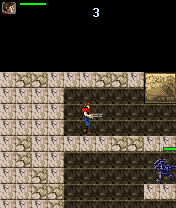
Alien vs. Predator plays as a side-view platformer built around short stages and simple keypad controls. You run, jump and fight your way through corridors, trap rooms and sacrificial chambers while dealing with shifting layouts and waves of enemies appropriate to each species’ story. Humans rely on firearms and gear, the Alien focuses on speed and brutal melee attacks, and the Predator leans on advanced weapons and hunting tech.
All three races share the same basic framework — side-scrolling movement, ledge navigation and tight arenas — but their goals differ. Human levels centre on survival and escape, Alien stages emphasise stalking and overwhelming prey, and Predator missions are about tracking worthy targets inside the pyramid and at the icebound whaling station. The end result is a compact mobile tie-in that still manages to showcase the full AVP triangle on tiny early–2000s screens.

Released in 2004 for mobile phones, Superscape’s Alien vs. Predator is one of the earliest handheld adaptations of the AVP license, and directly tied to the first crossover film. Later mobile titles, including Alien vs. Predator 2D: Requiem, would build on this foundation, but this game established the idea of three separate campaigns cycling through Human, Alien and Predator perspectives on a phone.
As with many movie tie-in mobile games of the era, impressions tended to focus on how well it squeezed recognisable weapons, creatures and locations onto very limited hardware — a small but memorable slice of AVP history for fans who were gaming on early Java handsets.